CES 2026: Who decides what “normal” smells like at home
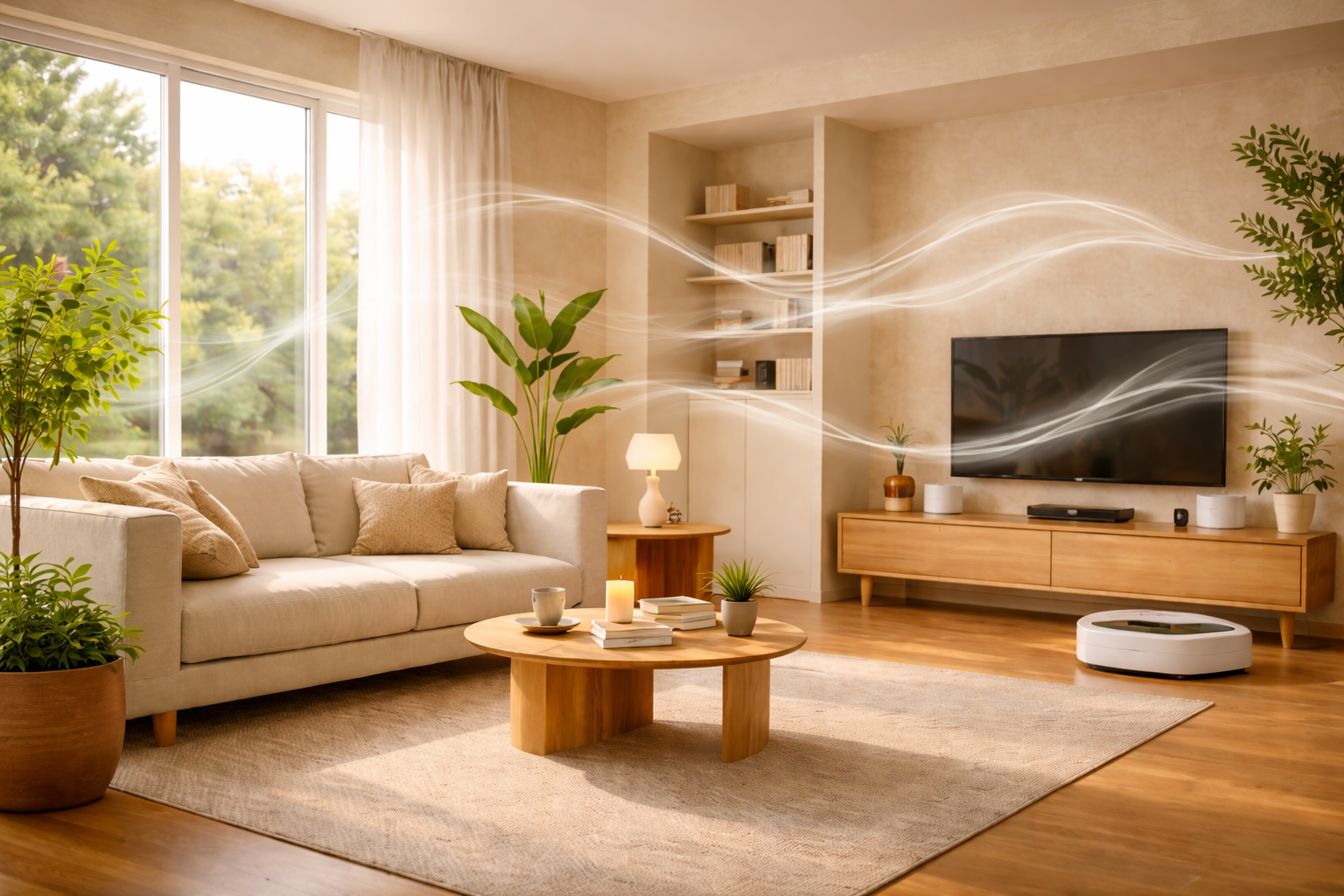
CES 2026 had fewer scent-related products than earlier years. What did appear was easier to categorize: scent built into mainstream appliances, app-led devices built around refills, and kiosks designed for fast customization.
Air-quality monitors and breath devices appeared in parallel as everyday health tech. As monitoring gets cheaper and easier, people can compare air quality room by room and manage the home environment more actively. That measurement layer sits close to smell, because it trains consumers to think in settings, routines, and controllable inputs.
Scent moves into everyday appliances
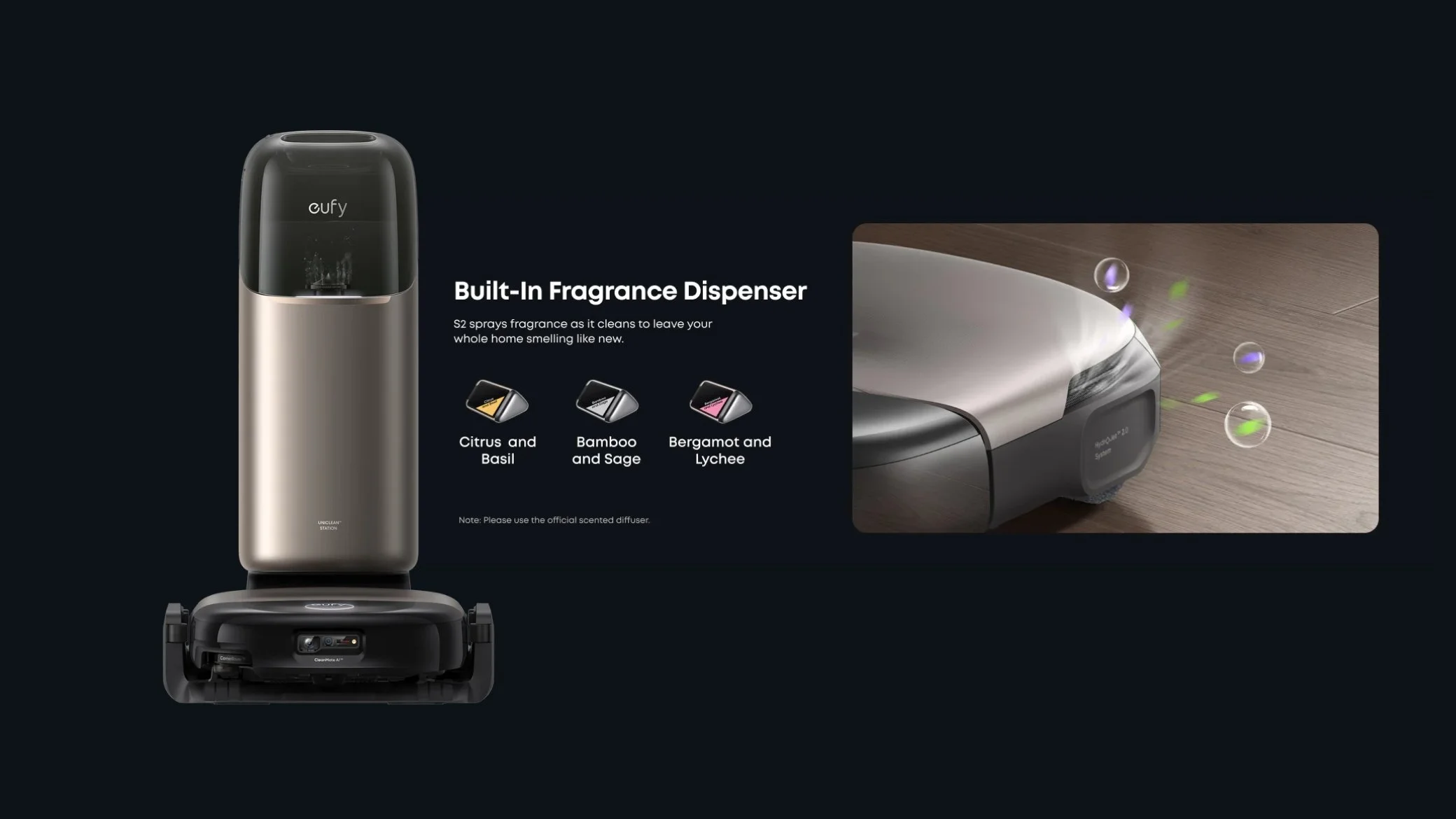
One of the clearest routine-based examples was the Eufy Omni S2 robot vacuum, promoted with a built-in fragrance dispenser and selectable scent options. The notable part is the format. Scent is being packaged into categories with existing distribution and frequent, habitual use.
Eufy Omni S2 product image
App-led personalization keeps pointing to refills
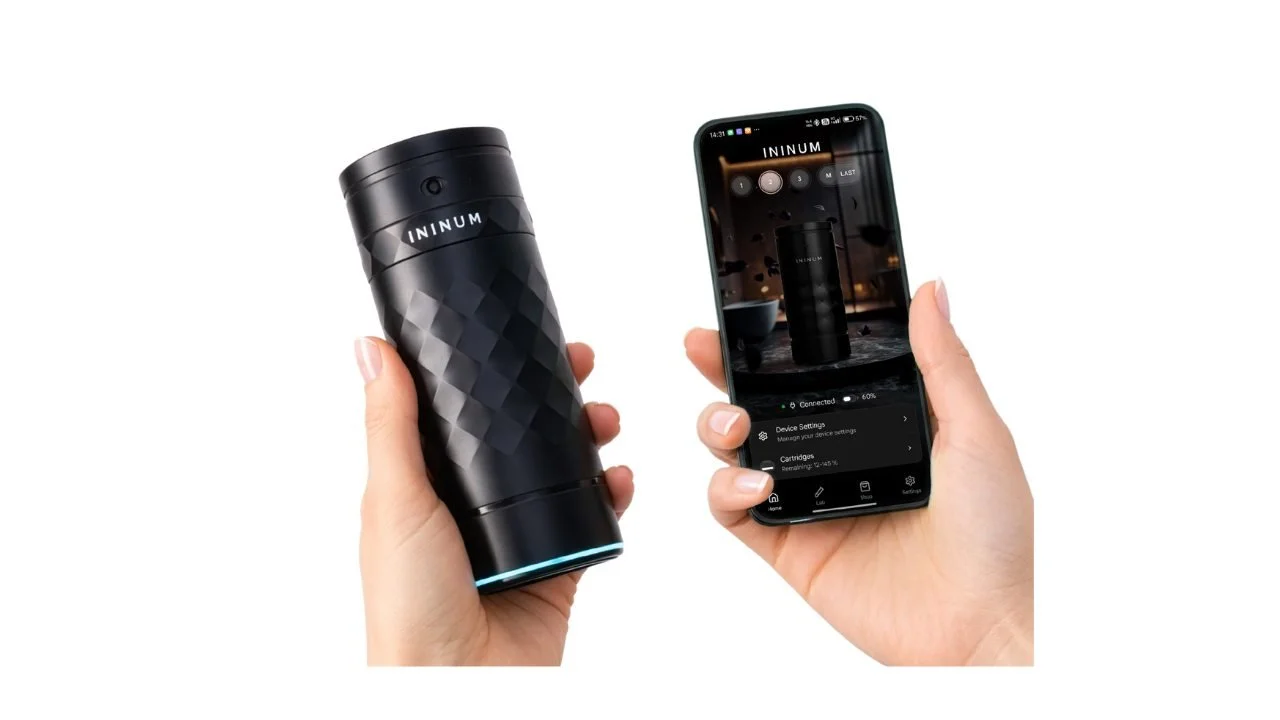
Personal scent devices keep leaning on the same device-plus-refills model. NINU, now sold as ININUM, frames fragrance personalization through pods and app control, with the ability to adjust a scent profile over time. In this category, the interface is not decoration. It shapes what people try, how often they change settings, and whether they reorder.
ININUM / NINU product image
“Digital scent” is not one model
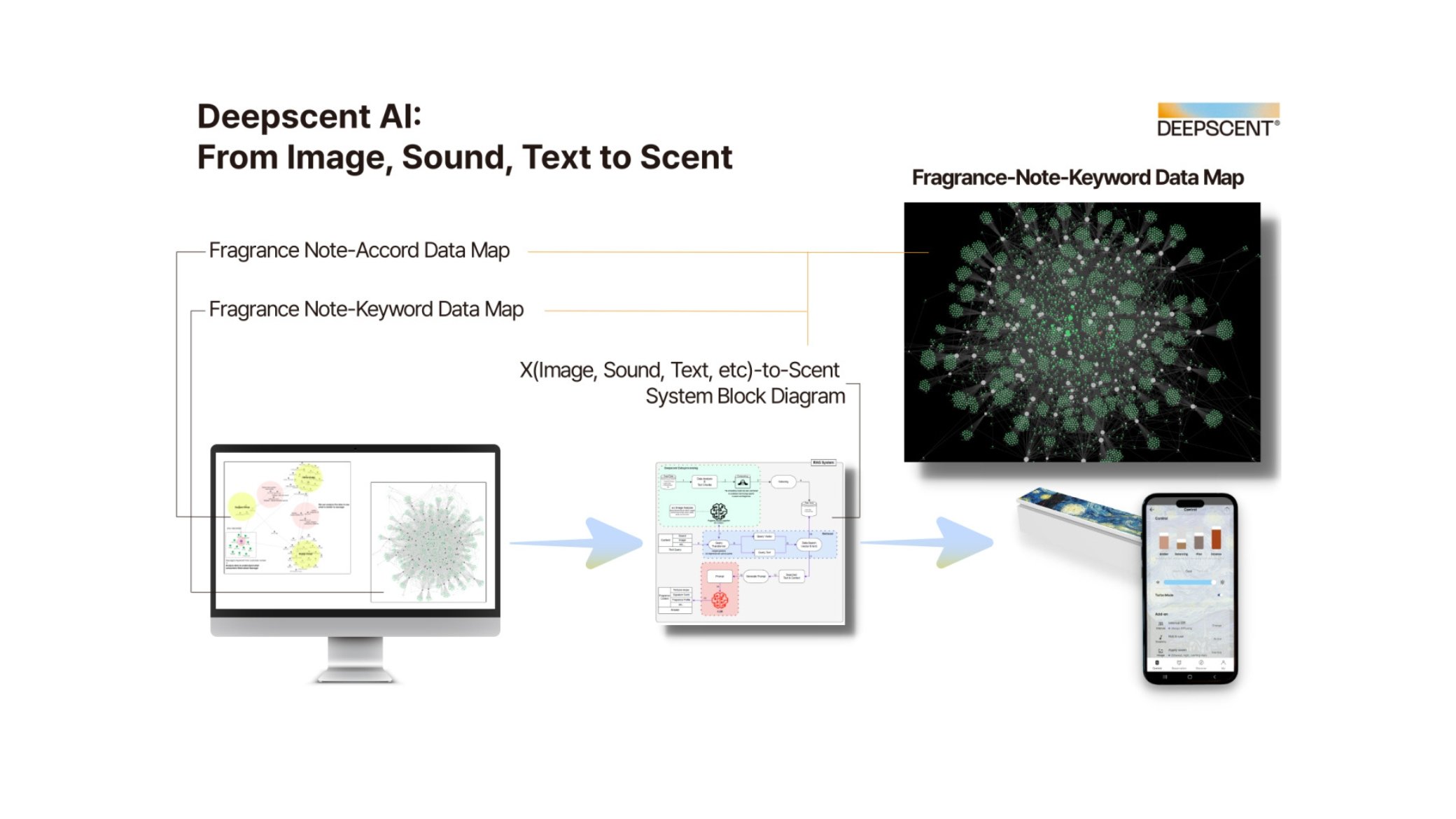
“Digital scent” covers very different business models. Deepscent AI, presented through Samsung C-Lab, frames scent as a smart home platform that links visuals, music, and voice to scent experiences. The emphasis is less on a single device and more on an experience layer inside the home.
Deepscent AI product image
Breath and air sensing change the context around smell
Breath and air sensing adds another layer to the home environment story. PreEvnt’s Isaac is positioned around breath compounds and metabolic monitoring, while Y-Brush has presented Halo as a breath analysis product linked to a daily routine. This type of measurement is not fragrance, but it puts odor, freshness, and clean closer to dashboards and readouts that consumers already understand.
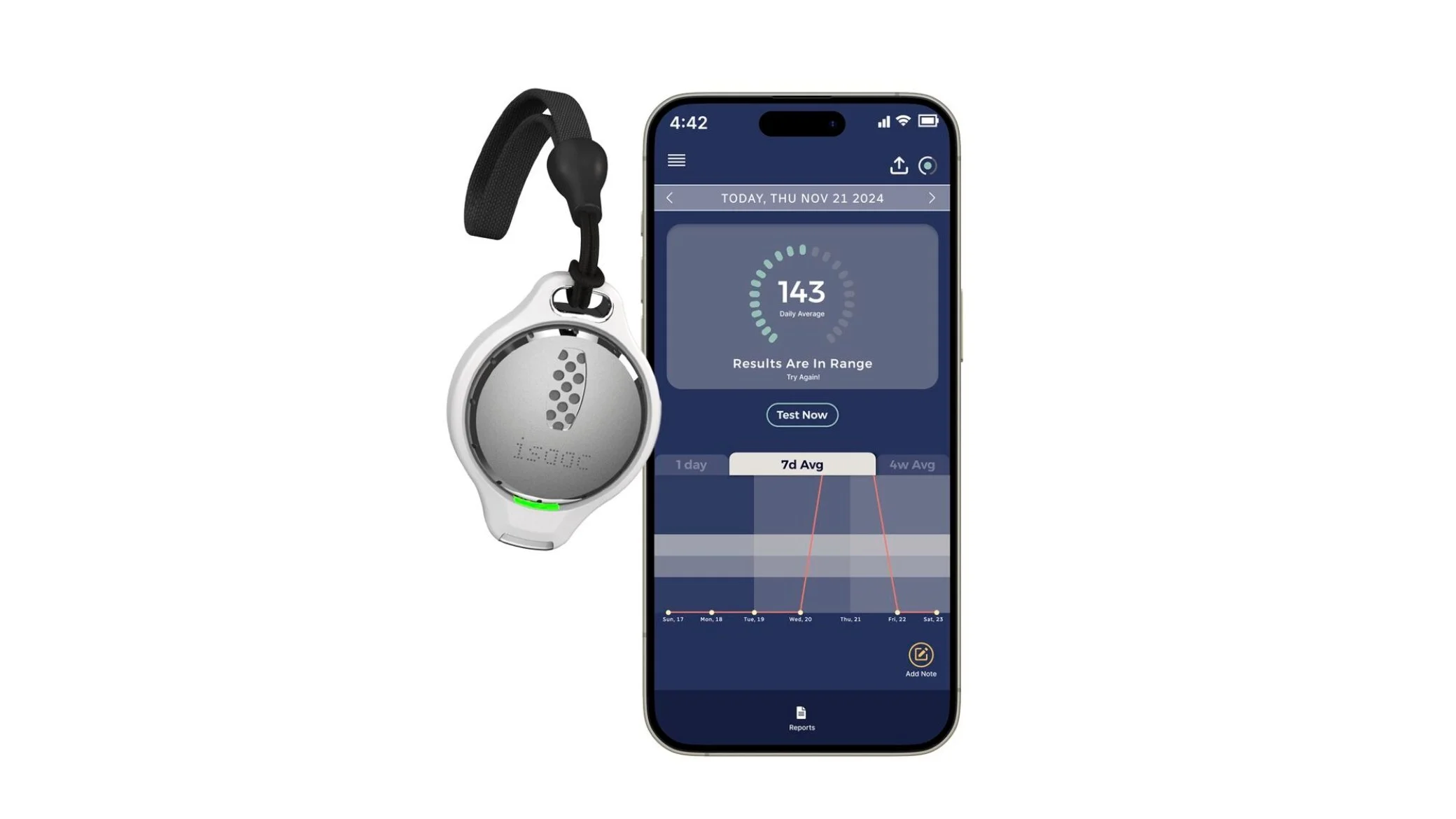
PreEvnt Isaac product image
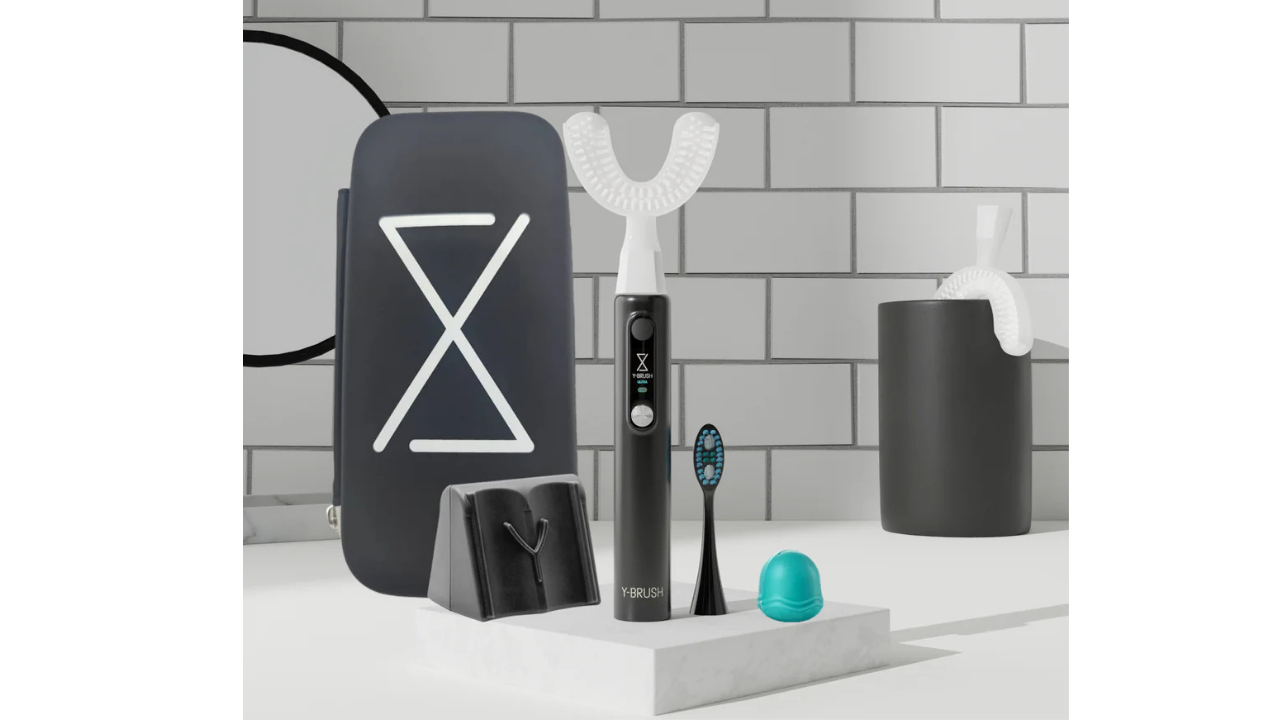
Y-Brush Halo product image
The most telling air examples were not single stationary monitors. Sensereo’s Airo is positioned around modular sensors that can be moved around the home, encouraging comparisons across rooms, corners, and routines. IKEA’s forthcoming air-quality monitor is another signal, pushing air monitoring toward mass-market familiarity inside the smart home. Room-by-room measurement makes room-by-room environmental control feel normal, including scent.
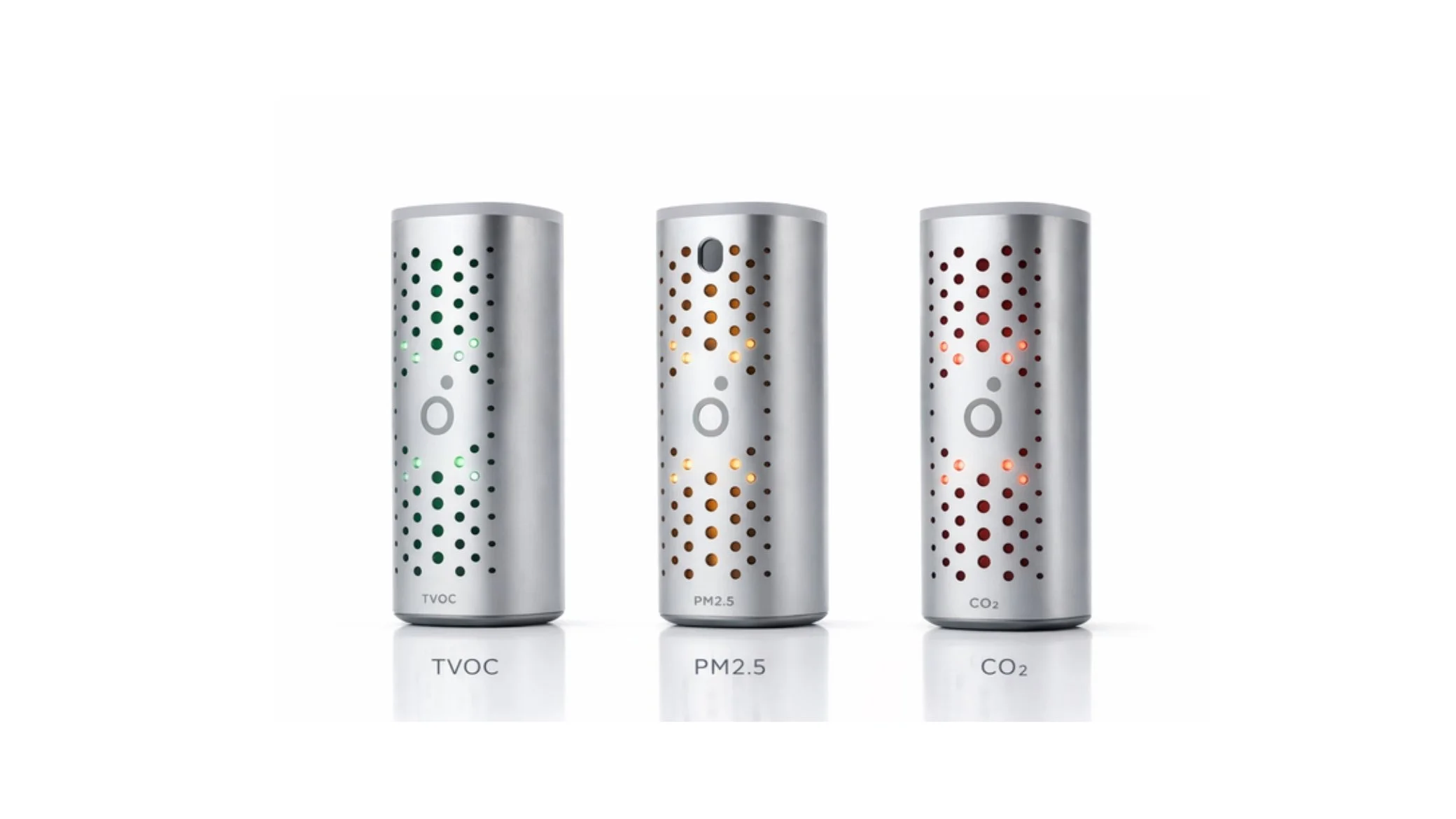
Sensereo Airo product image
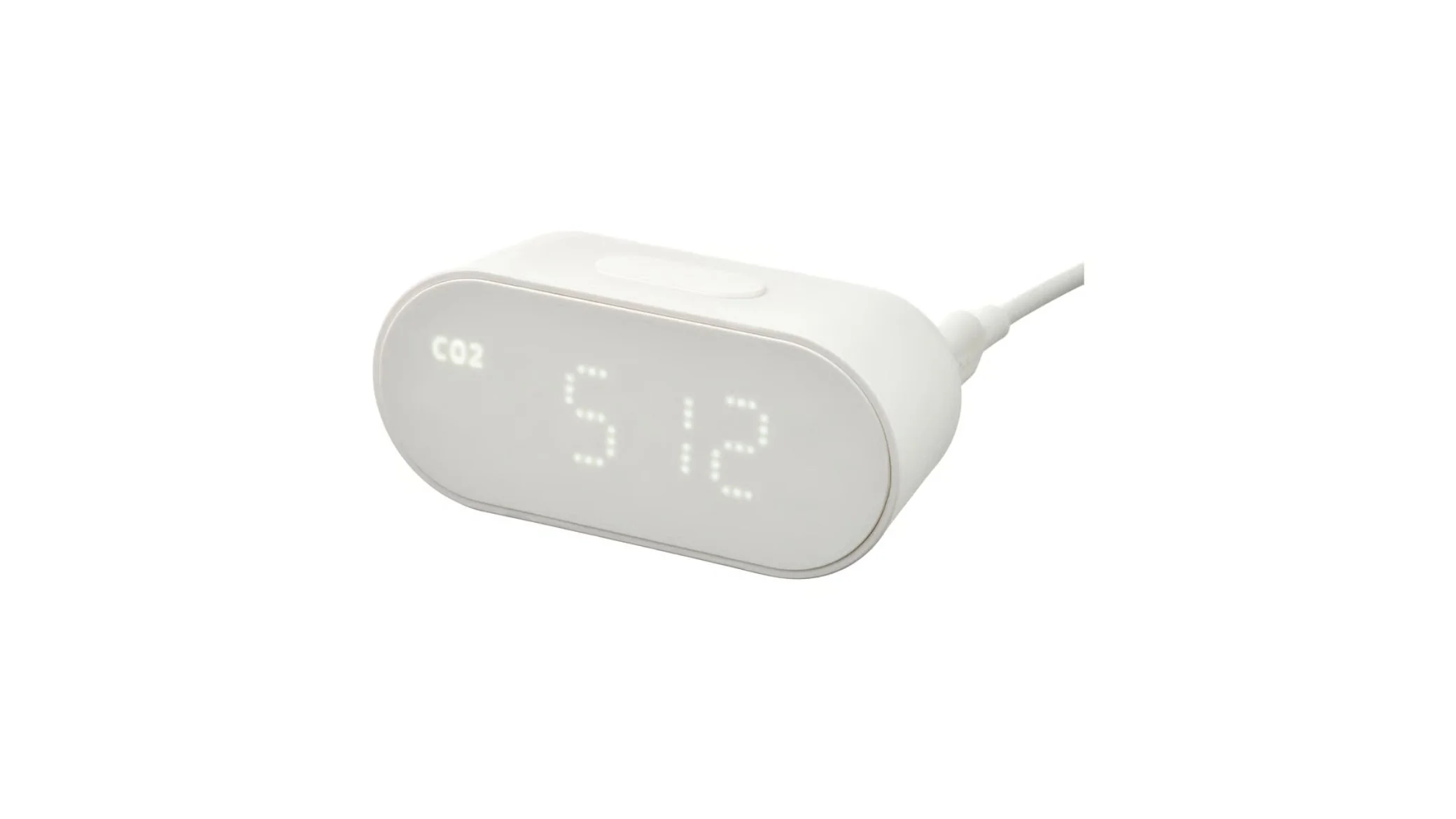
IKEA Alpstuga product image
What lasts is what gets reordered
Across the scent products, the device looked like the entry point. What happens after purchase depends on refills, how easy it is to reorder, and where those refills sit in everyday shopping. Apps quietly steer choice through presets and defaults, shaping what people try next and what becomes a habit.
Air and breath devices follow the same logic, even without refills. What sticks is what people can check quickly and keep learning from. When air-quality and breath readouts feel relevant to daily life, they move from a one-time setup to something people return to, the way they return to sleep scores or step counts. When the readout connects to a decision people actually make, such as opening a window, running a purifier, changing a room setting, or adjusting scent intensity, monitoring becomes routine rather than a novelty.
The hardware is here. The harder part is what people keep using week after week, and who gets to define what “normal” smells like at home.