Belonging Through Scent: How Fragrance Can Rewire Loneliness
Loneliness isn’t just a social condition - it’s neurological. fMRI studies reveal that isolation activates the brain’s threat-response pathways in ways similar to physical pain, gradually eroding the reward centers that help us feel pleasure. Yet the sense of smell offers a counterpoint. Unlike sight or sound, scents bypass higher cognition, traveling straight to the limbic system, the seat of memory and emotion, where they can evoke safety, familiarity, and connection.
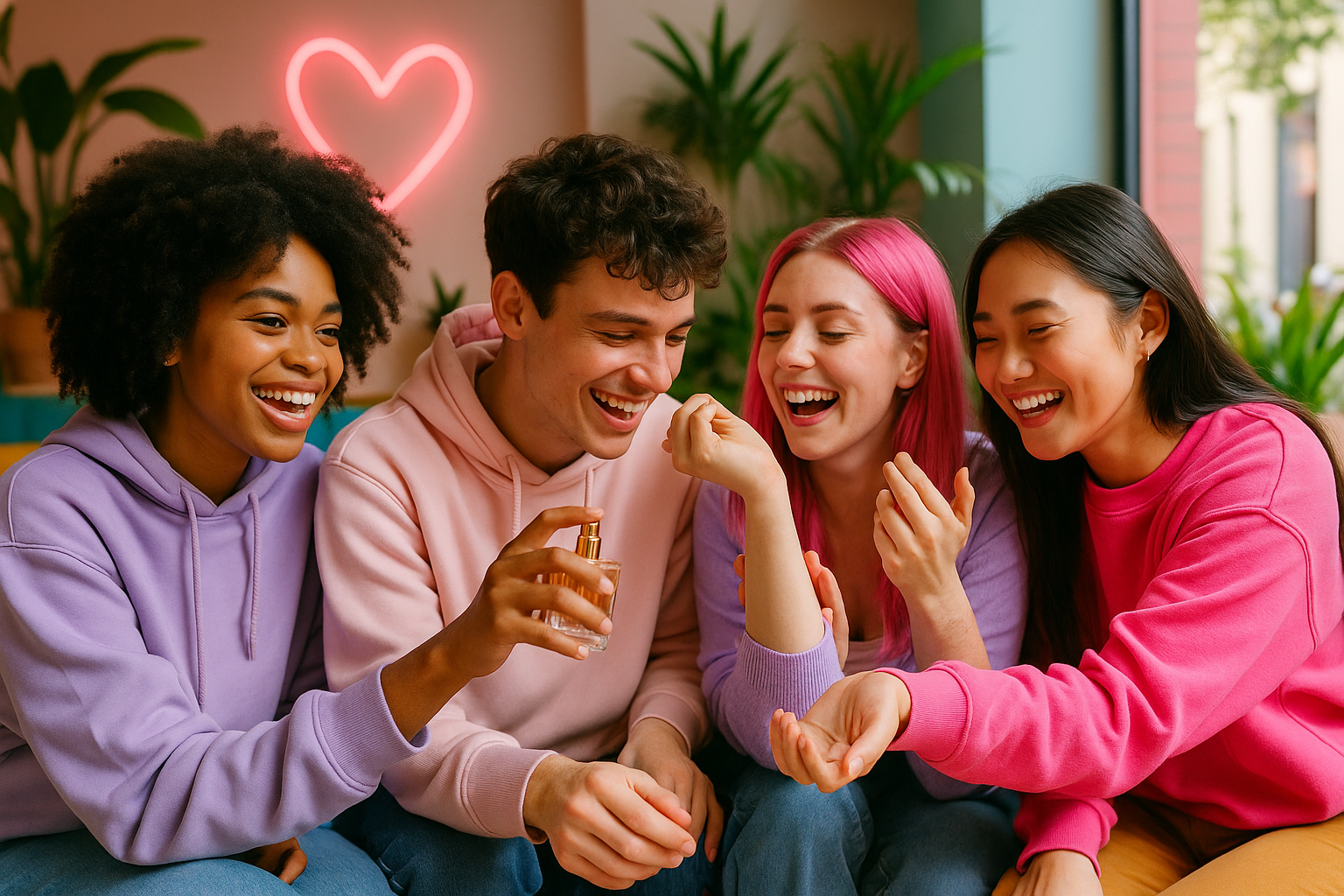
For fragrance brands attuned to this subtle human wiring, retail spaces can become more than commercial settings. They can act as interventions, places where scent fosters belonging through shared sensory narratives.
Scent and Social Bonding
The neuroscience of community is written into both movement and smell. Consider the atmosphere of boutique fitness studios: synchronized exertion releases oxytocin - the “bonding hormone” - transforming isolation into collective rhythm. Fragrance and social bonding carries similar potential. Research from the Weizmann Institute shows that people with similar body odors are more likely to form friendships, often before a word is spoken.
Fragrance environments can tap this principle. Signature notes curated for a boutique or flagship can function as unspoken invitations, guiding strangers toward affinity. A space designed this way becomes more than retail, it becomes a site of social resonance.
Fragrance Retail as a Third Space
Flagship stores can serve as “third spaces”, havens beyond the home or office. Ambient scent in retail environments such as ocean accords for calm or florals for uplift can dial down cortisol, engaging the amygdala and modulating stress. Instead of sales pitches, intuitive scent consultations invite guests to explore profiles tied to memory and identity. The effect is not transactional but relational, sparking dialogue and signaling something rare: You are remembered.
This ethos can extend into membership models. A program like Essence Collective could deliver quarterly discovery sets as tactile prompts for reflection, paired with intimate salons or virtual aroma tastings. Psychological research affirms that scents anchor emotion and bolster social confidence. Recurring encounters like these build a lattice of connection that subtly counters loneliness.
Extending Belonging Beyond the Store
Community need not end at the boutique door. Digital hubs - Discord groups or branded platforms - can host “Olfactory Exchanges,” where members unpack the emotional arcs of scents (rose for resilience, vetiver for grounding). Semantic analyses suggest that such narratives amplify mood by activating limbic recall, offering a shared experience even across distance.
Technology can deepen this further. AR tools might let users layer scents onto avatars, creating kinships in real time. Partnerships with wellness collectives or neurodiversity-focused apps can add yet another layer, blending scent with practices like breathwork. Digital olfactory communities highlight that richer networks often correlate with stronger olfactory acuity - positioning fragrance as a vehicle for deeper, more diverse connection.
From Transactional to Transformative - Loneliness and Olfactory Perception in the Wellness Industry
In this paradigm, AI fragrance evolves from commodity to community. Retail becomes an act of care, digital spaces turn into resonant networks, and scents reclaim their ancestral role as signals of tribe and belonging.
As brands, we hold the notes to rewrite isolation’s score.
Which fragrance will unlock your circle?